Individuals exposed to PFAS-containing AFFF may face an elevated risk of serious medical conditions. Reported injuries and illnesses linked to exposure include kidney cancer, chronic kidney disease, acute kidney failure, testicular cancer, bladder cancer, pancreatic cancer, prostate cancer, leukemia, lymphoma, and infertility. Firefighters—both civilian and military—used PFAS-based foam for decades, frequently during repeated training exercises, often without warnings regarding potential long-term health consequences. Because PFAS compounds persist in the body and environment, concerns continue to grow regarding their cumulative impact on public health and the potential risks faced by those with occupational or environmental exposure.
AFFF Firefighting Foam
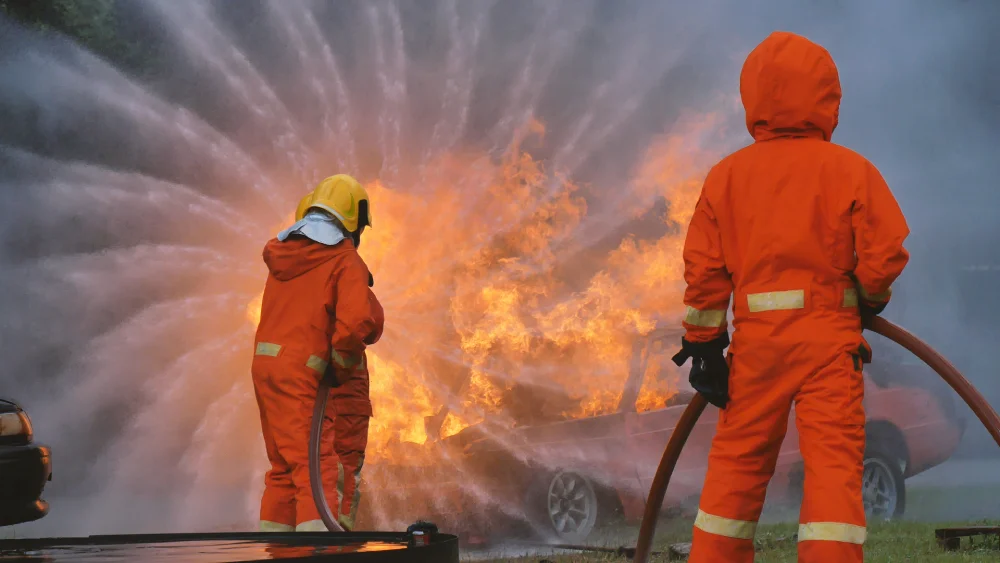
Representing Firefighters and Individuals Exposed to Toxic PFAS Chemicals
For decades, firefighters, military personnel, and airport crews relied on Aqueous Film-Forming Foam (AFFF) to extinguish jet fuel and petroleum-based fires. While effective in suppressing dangerous blazes, AFFF contains toxic chemicals known as PFAS (per- and polyfluoroalkyl substances), including PFOS, which have been linked to serious and life-altering health conditions.
Today, thousands of individuals across the country are pursuing claims against manufacturers of AFFF, alleging that they were exposed to hazardous chemicals without adequate warning.
If you or a loved one developed cancer or serious illness after exposure to firefighting foam, you may have legal rights.
What Is AFFF and Why Is It Concerning?
Aqueous Film-Forming Foam (AFFF) is a fire suppression agent developed to rapidly extinguish flammable liquid fires, particularly those involving jet fuel and petroleum-based products. It has been extensively used by municipal fire departments, on military bases, at airports, during firefighting training exercises, and within industrial and petrochemical facilities. AFFF functions by creating a film that smothers flames and prevents re-ignition. However, many formulations contain per- and polyfluoroalkyl substances (PFAS), often called “forever chemicals” because they do not readily break down in the environment or the human body. Federal health agencies, including the Centers for Disease Control and Prevention (CDC) and the Environmental Protection Agency (EPA), have associated PFAS exposure with significant health concerns
Health Risks Associated with AFFF Exposure
Military and Airport Exposure
The U.S. military began using AFFF in the 1960s. It was widely deployed during training exercises and non-emergency missions due to its effectiveness against jet fuel fires.
Even after concerns about PFAS toxicity emerged, airports were required under Federal Aviation Administration (FAA) guidelines to maintain and use PFAS-containing foam for years.
Although alternative foams are now being developed, the damage to many exposed individuals has already occurred.
Allegations Against Manufacturers
AFFF lawsuits generally allege that manufacturers:
- Knew or should have known about the health risks associated with PFAS
- Failed to adequately warn users about long-term cancer risks
- Continued to manufacture and distribute dangerous foam
- Placed profits ahead of public safety
Litigation involving AFFF has been consolidated in federal multidistrict proceedings to address common issues related to PFAS contamination and injury claims.

Who May Qualify for an AFFF Lawsuit?
You may be eligible to pursue a claim if you:
- Served as a firefighter (civilian or military) after the 1960s
- Worked at or near a military base or airport where AFFF was used
- Were diagnosed with kidney cancer, testicular cancer, pancreatic cancer, bladder cancer, prostate cancer, leukemia, lymphoma, infertility, or serious kidney damage
Each case requires a detailed review of exposure history and medical records.
Potential Compensation
If successful, an AFFF lawsuit may provide compensation for:
- Past and future medical expenses
- Cancer treatment and ongoing care
- Lost wages and reduced earning capacity
- Pain and suffering
- Emotional distress
- Loss of quality of life
In cases involving particularly reckless conduct, punitive damages may also be pursued.
Contact The Michael Brady Lynch Firm
If you or a loved one has been diagnosed with cancer or serious illness after exposure to AFFF firefighting foam, contact us for a confidential consultation.
The Michael Brady Lynch Firm
127 West Fairbanks Ave. #528
Winter Park, Florida 32789
📞 888-585-5970
We are currently accepting AFFF cases in all 50 states.
Get Trusted Legal Insights
Join our mailing list to receive helpful legal resources, firm updates, and important announcements. We’re here to keep you informed every step of the way.